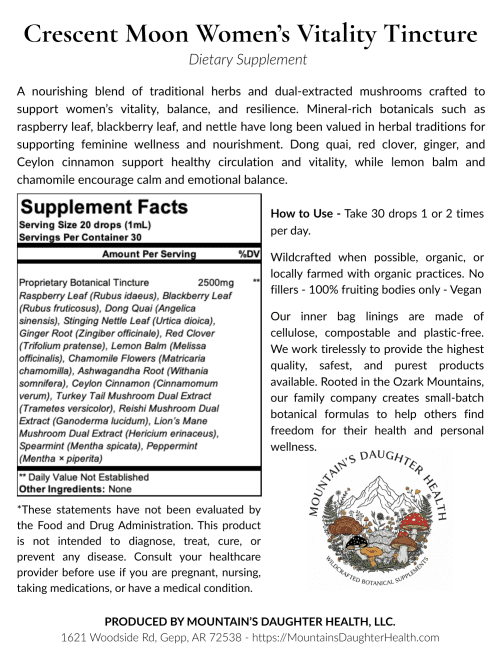
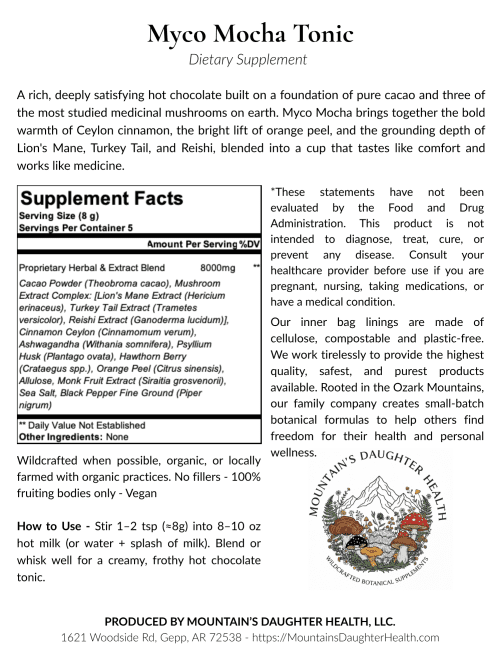
Ceylon cinnamon is the dried inner bark of Cinnamomum verum (also called C. zeylanicum), a tree native to Sri Lanka. It is often called true cinnamon. Most of the cinnamon sold in the United States is something else: cassia, from several related trees. The difference matters for flavor and for one compound in particular.
Why We Use Ceylon, Not Cassia
Coumarin is a natural compound that is banned as a food additive in the United States because of its potential side effects. When researchers tested authenticated bark samples, Ceylon cinnamon contained only traces of coumarin, while all three cassia species contained substantial amounts. Every store-bought cinnamon, cinnamon-flavored food, and cinnamon supplement they tested contained coumarin, and their chemical profiles pointed to Indonesian cassia (Wang et al., 2013). Choosing Ceylon cinnamon keeps the flavor while keeping coumarin low.
What the Evidence Shows
Cinnamon is best studied for blood sugar. A meta-analysis of 10 randomized trials with 543 people with type 2 diabetes found lower fasting blood sugar and better cholesterol and triglyceride levels with cinnamon, but no significant change in HbA1c, the longer-term measure. The results varied so much between trials that the authors could not say what dose or duration works (Allen et al., 2013). A later meta-analysis of 24 trials also found lower fasting blood sugar, insulin resistance, and HbA1c (Moridpour et al., 2024).
There is a catch. Most of these trials used cassia cinnamon, not Ceylon (Medagama, 2015), so the results do not show what Ceylon cinnamon does in particular. The same review notes that Ceylon cinnamon’s low coumarin makes it the safer choice for regular use.
Safety
Ceylon cinnamon in the amounts used in food and tea is widely eaten. If you take medicine to lower your blood sugar, talk with your provider before using cinnamon supplements, since several trials report lower blood sugar with cinnamon.
In Short
Ceylon cinnamon is the low-coumarin cinnamon. Its research on blood sugar is promising but mixed, and most of it was done with cassia. In our blends it is there for warmth, flavor, and a daily ritual, not to treat any condition.
The research behind this entryReferences
Show sourcesHide sources
- Allen, R. W., Schwartzman, E., Baker, W. L., Coleman, C. I., & Phung, O. J. (2013). Cinnamon use in type 2 diabetes: An updated systematic review and meta-analysis. Annals of Family Medicine, 11(5), 452–459. https://doi.org/10.1370/afm.1517
- Medagama, A. B. (2015). The glycaemic outcomes of cinnamon, a review of the experimental evidence and clinical trials. Nutrition Journal, 14, Article 108. https://doi.org/10.1186/s12937-015-0098-9
- Moridpour, A. H., Kavyani, Z., Khosravi, S., Farmani, E., Daneshvar, M., Musazadeh, V., & Faghfouri, A. H. (2024). The effect of cinnamon supplementation on glycemic control in patients with type 2 diabetes mellitus: An updated systematic review and dose-response meta-analysis of randomized controlled trials. Phytotherapy Research, 38(1), 117–130. https://doi.org/10.1002/ptr.8026
- Wang, Y.-H., Avula, B., Nanayakkara, N. P. D., Zhao, J., & Khan, I. A. (2013). Cassia cinnamon as a source of coumarin in cinnamon-flavored food and food supplements in the United States. Journal of Agricultural and Food Chemistry, 61(18), 4470–4476. https://doi.org/10.1021/jf4005862