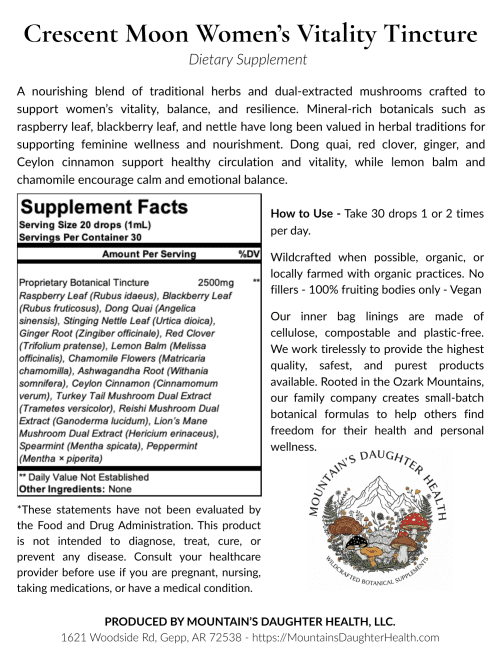
Chamomile here means German chamomile, the small daisy-like flower of Matricaria chamomilla. It is one of the most widely drunk herbal teas in the world and a traditional herb for calm and for an unsettled stomach.
What the Evidence Shows
Sleep
A meta-analysis of 10 trials with 772 people found that chamomile improved sleep quality scores and, in most studies, made it easier to stay asleep. It did not lengthen sleep or improve daytime tiredness, the results differed widely between trials, and only one study checked what was actually in the product (Kazemi et al., 2024). An earlier meta-analysis also found better sleep quality, but the one trial in insomnia found no change (Hieu et al., 2019). The NIH notes that there is very little information on chamomile for insomnia (National Center for Complementary and Integrative Health [NCCIH], 2024).
Anxiety
For short-term, everyday anxiety, a pooled analysis of three trials found no difference from control. For generalized anxiety disorder, symptoms improved after two and four weeks (Hieu et al., 2019). In the longest trial, people who had responded to 12 weeks of chamomile extract were assigned by chance to keep taking it or switch to placebo for 26 weeks. Those on chamomile kept lower symptoms, but the drop in relapse was not statistically significant (Mao et al., 2016). These trials used capsules of extract at doses far above a cup of tea.
Safety
Chamomile in the amounts found in tea is likely safe. People allergic to related plants such as ragweed may react to it. Interactions with warfarin, a blood thinner, have been reported, and chamomile may add to the effect of sedatives. Little is known about its safety during pregnancy or breastfeeding (NCCIH, 2024).
In Short
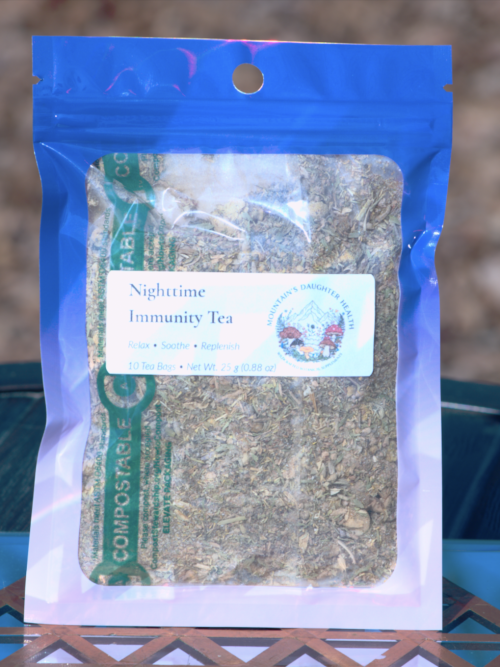
Chamomile has modest, mixed evidence for sleep quality and some for generalized anxiety, mostly from extracts. In our blends it is an evening herb for winding down, in the company of the Herbs for Calm.
The research behind this entryReferences
Show sourcesHide sources
- Hieu, T. H., Dibas, M., Surya Dila, K. A., Sherif, N. A., Hashmi, M. U., Mahmoud, M., Trang, N. T. T., Abdullah, L., Nghia, T. L. B., Y, M. N., Hirayama, K., & Huy, N. T. (2019). Therapeutic efficacy and safety of chamomile for state anxiety, generalized anxiety disorder, insomnia, and sleep quality: A systematic review and meta-analysis of randomized trials and quasi-randomized trials. Phytotherapy Research, 33(6), 1604–1615. https://doi.org/10.1002/ptr.6349
- Kazemi, A., Shojaei-Zarghani, S., Eskandarzadeh, P., & Hashempur, M. H. (2024). Effects of chamomile (Matricaria chamomilla L.) on sleep: A systematic review and meta-analysis of clinical trials. Complementary Therapies in Medicine, 84, Article 103071. https://doi.org/10.1016/j.ctim.2024.103071
- Mao, J. J., Xie, S. X., Keefe, J. R., Soeller, I., Li, Q. S., & Amsterdam, J. D. (2016). Long-term chamomile (Matricaria chamomilla L.) treatment for generalized anxiety disorder: A randomized clinical trial. Phytomedicine, 23(14), 1735–1742. https://doi.org/10.1016/j.phymed.2016.10.012
- National Center for Complementary and Integrative Health. (2024). Chamomile. https://www.nccih.nih.gov/health/chamomile