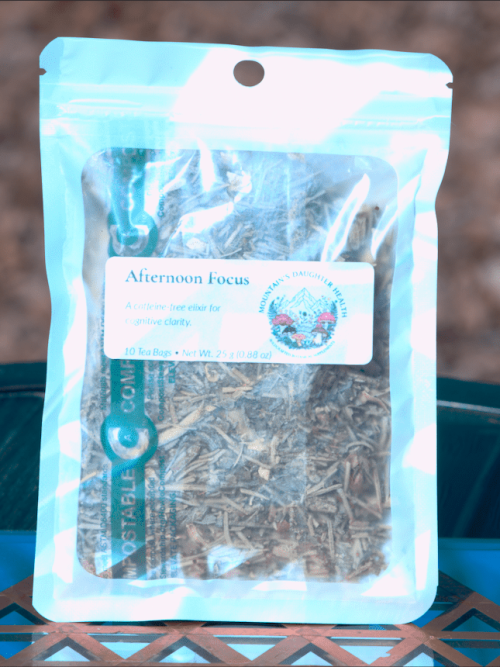
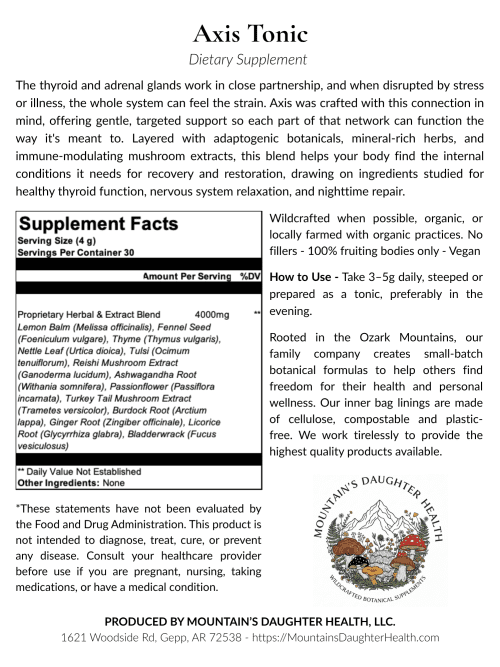
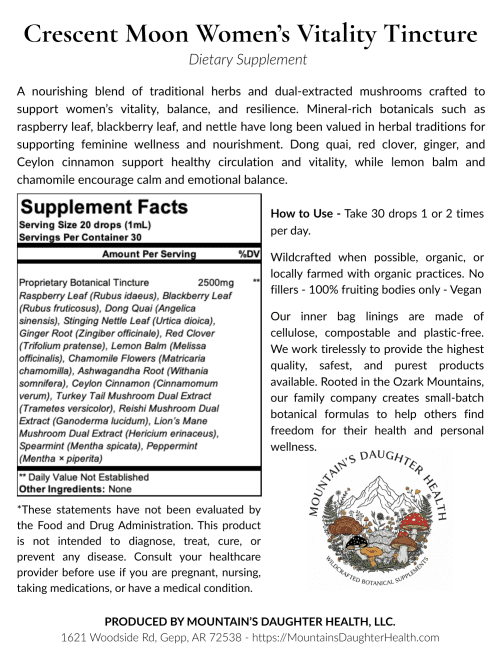
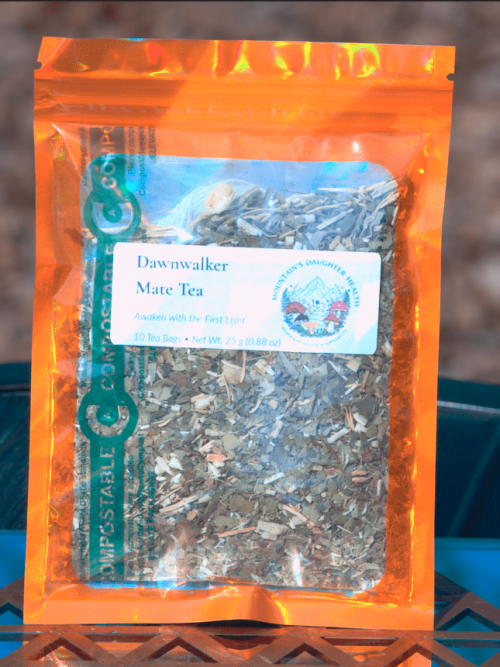
Lemon balm (Melissa officinalis) is a mint-family herb with a bright lemon scent, long used in European herbalism to calm the nerves and lift the spirits. It is one of the gentle nervines described in Herbs for Calm.
What the Evidence Shows
A systematic review and meta-analysis of randomized trials found that lemon balm improved anxiety and depression scores more than placebo, especially over the short term, without serious side effects. The authors urged caution because the trials were few and differed a great deal in their methods (Ghazizadeh et al., 2021).
Lemon balm is also one of the traditional sleep herbs, alongside valerian and passionflower. A review of how these herbs might work found evidence that their extracts interact with GABA receptors, the brain’s main calming pathway and the target of many sleep medicines, though their mechanism in people is not fully understood (Bruni et al., 2021).
Safety
No serious side effects were reported in the pooled trials (Ghazizadeh et al., 2021). If you take sedatives or sleep medicine, talk with your provider first, since calming herbs may add to their effect.
In Short
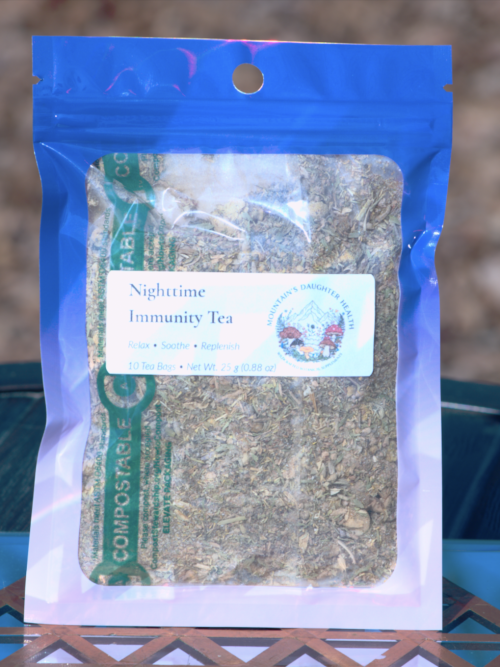
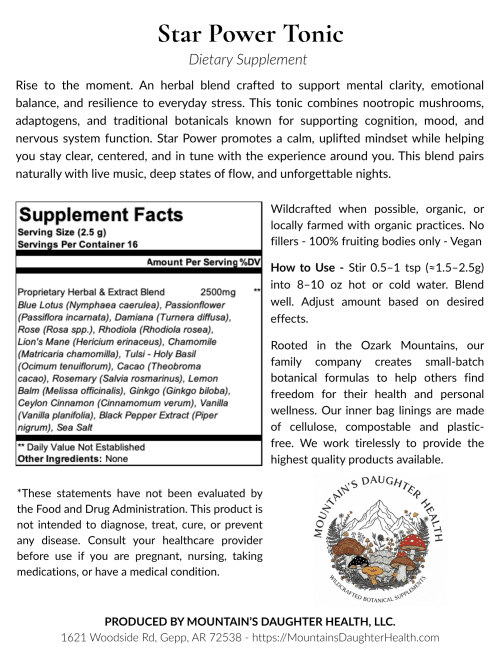
Lemon balm has a small but encouraging body of human trials for anxiety and low mood, and a plausible calming mechanism. In our blends it is an evening herb for winding down.
The research behind this entryReferences
Show sourcesHide sources
- Bruni, O., Ferini-Strambi, L., Giacomoni, E., & Pellegrino, P. (2021). Herbal remedies and their possible effect on the GABAergic system and sleep. Nutrients, 13(2), Article 530. https://doi.org/10.3390/nu13020530
- Ghazizadeh, J., Sadigh-Eteghad, S., Marx, W., Fakhari, A., Hamedeyazdan, S., Torbati, M., Taheri-Tarighi, S., Araj-Khodaei, M., & Mirghafourvand, M. (2021). The effects of lemon balm (Melissa officinalis L.) on depression and anxiety in clinical trials: A systematic review and meta-analysis. Phytotherapy Research, 35(12), 6690–6705. https://doi.org/10.1002/ptr.7252