
One Body, Three Signals
How I think about light, field, and current in wellness, and why I am careful about what I claim
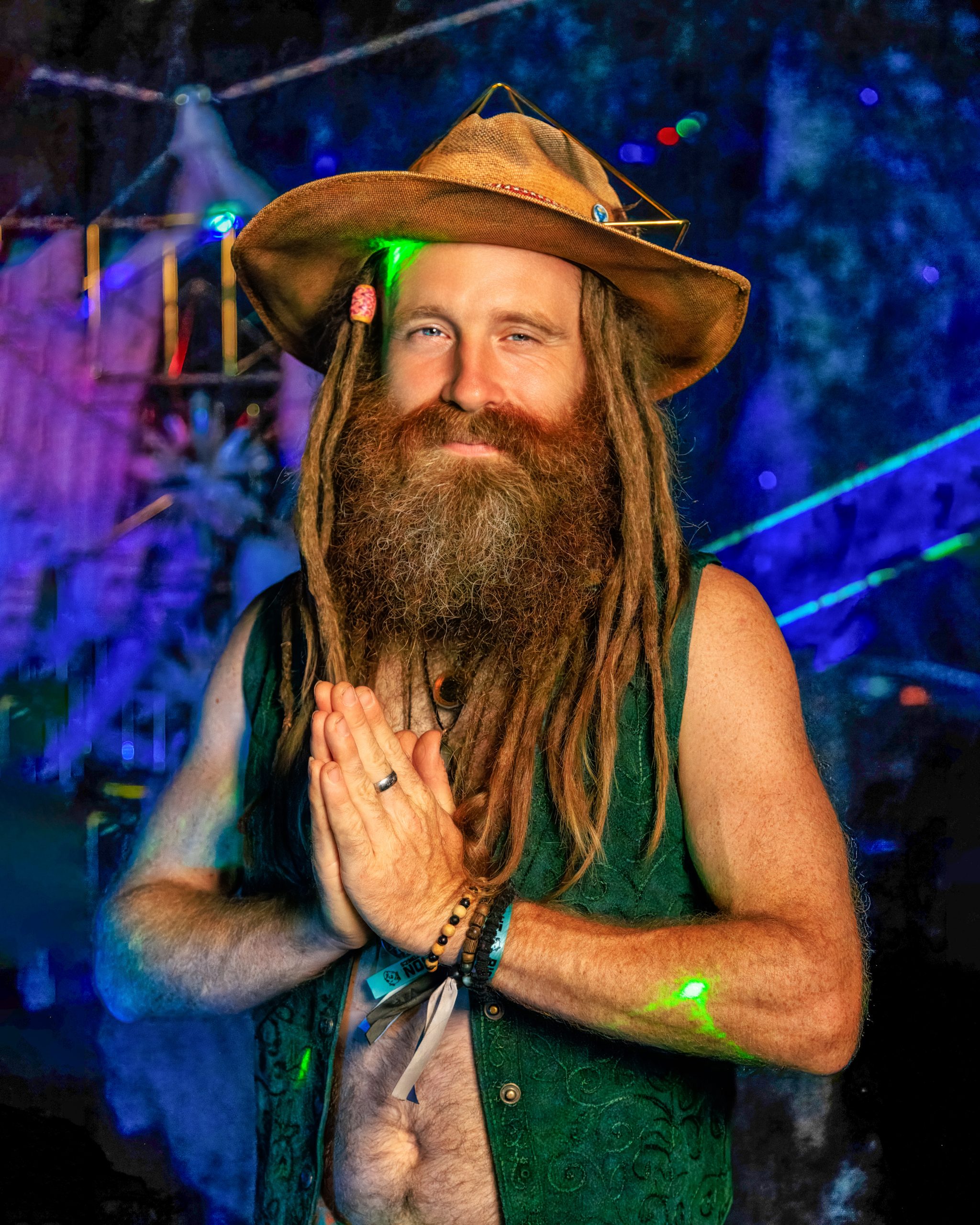
A good Ozark farmer does not just watch the sky. They read the light, the soil, and the water together, because the crop answers to all three at once.
The body is not so different.
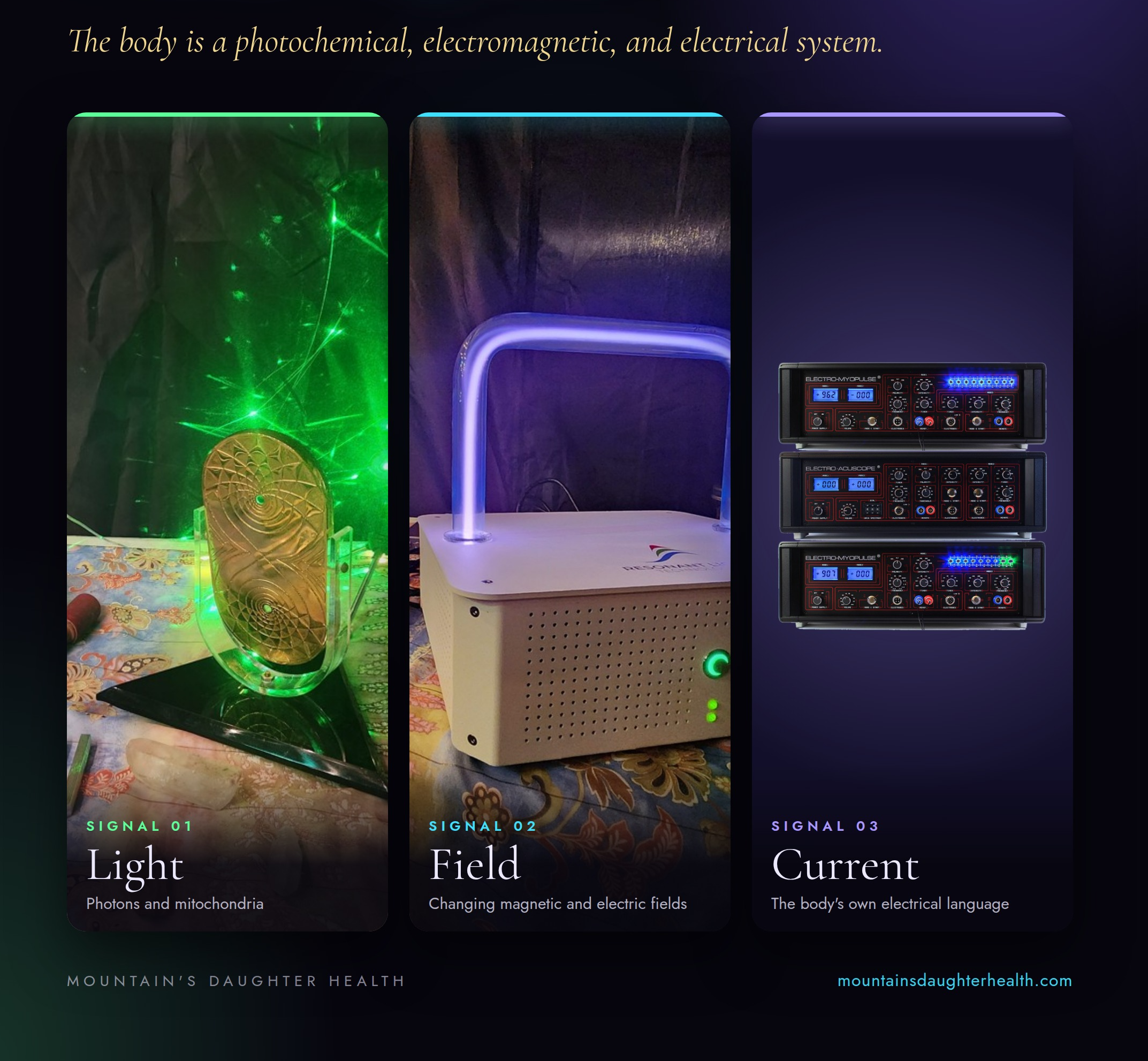
At Mountain’s Daughter Health, everything we build starts from one idea: the human body is simultaneously a photochemical, electromagnetic, and electrical system. It takes in light. It lives inside fields. And it runs on current. I call these the Three Signals, and they shape every session, workshop, and installation we create.
Signal One: Light
Light is the signal most people already feel. For example, many of us find that morning sun lifts the mood, and a long, dark winter pulls it back down.
Photobiomodulation is the study of how specific colors of light, mostly red and near-infrared, interact with living tissue. The leading proposed mechanism centers on the mitochondria, where a light-absorbing enzyme called cytochrome c oxidase appears to respond to certain wavelengths (de Freitas & Hamblin, 2016). Researchers also describe a biphasic dose response, which is a formal way of saying more is not always better. In other words, too little light does little, while too much can work against you (Huang et al., 2009).
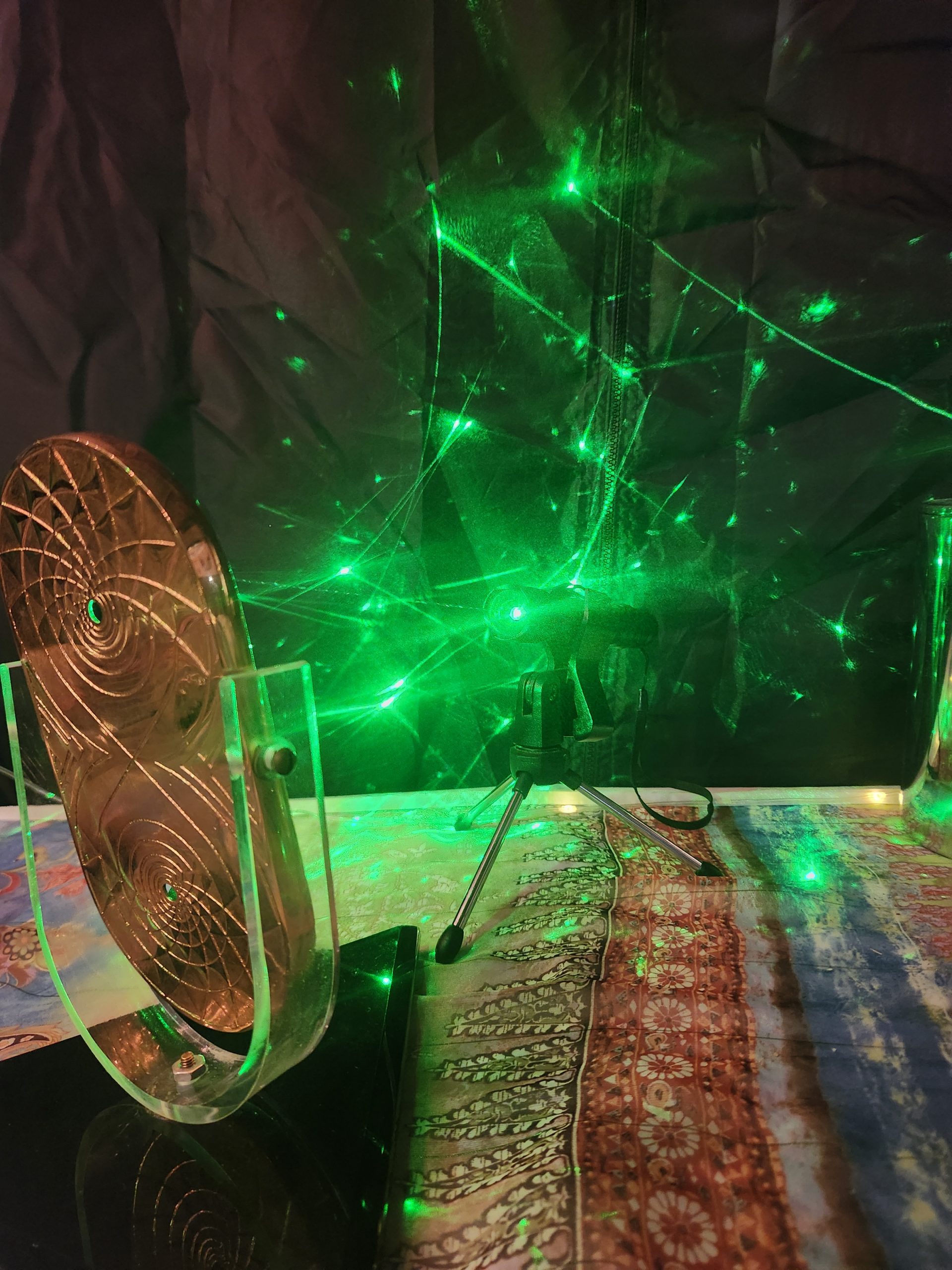
In our practice, light shows up through Auric Structuring™, where coherent light, crystal, and geometry are built into an intentional environment rather than delivered as a simple device.
Signal Two: Field
Fields are harder to notice because they cross the skin without touching it.
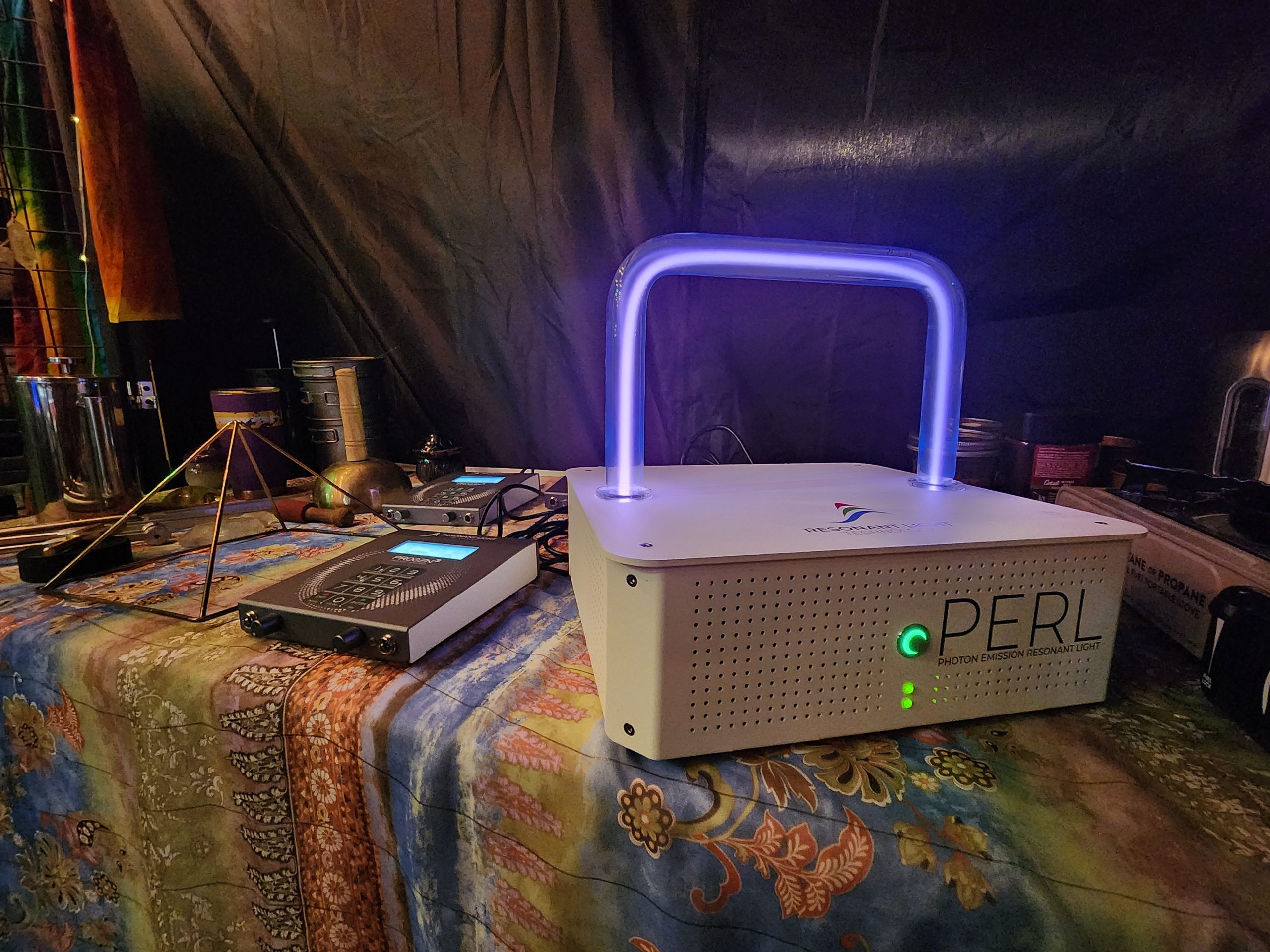
Pulsed electromagnetic field (PEMF) and resonant light technologies deliver gentle, frequency-based input. This is where honesty matters most, because the research on PEMF is mixed, and the studies I draw on here come from clinical care rather than wellness.
Bone fractures, for instance, are one of its most studied uses. A 2020 meta-analysis of randomized controlled trials found moderate-quality evidence that PEMF improved healing rates and reduced pain compared with sham treatment (Peng et al., 2020). In contrast, a 2024 review of more recent trials, limited to acute fractures, found that none of its three trials showed a statistically significant effect on healing, and that results for pain were contradictory (Picelli et al., 2024). The two reviews drew on different sets of trials, which is part of why they disagree. For that reason, we offer field-based sessions as quiet wellness experiences focused on relaxation and restoration, not as treatment.
Signal Three: Current
Your body already speaks in electricity. Nerves fire, muscles contract, and cells hold small electrical charges across their membranes.
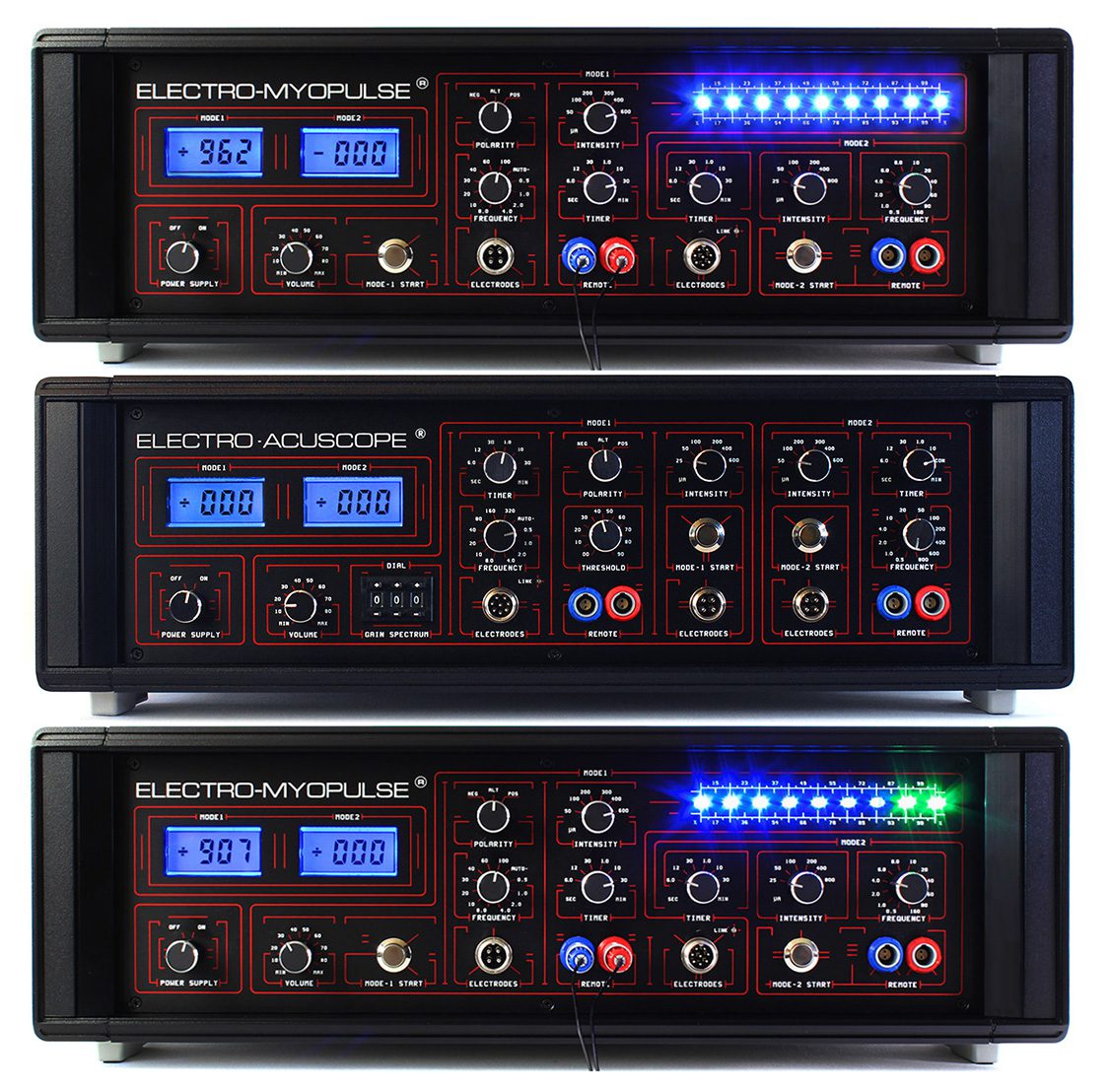
Microcurrent works in the microampere range, below the level that makes a muscle contract or that most people can feel (Iijima & Takahashi, 2021; Wadhwa et al., 2026). It is subtle by design. Whereas a higher-powered TENS unit is built to be felt, microcurrent works at a scale closer to the body’s own bioelectric currents (Wadhwa et al., 2026), and its proposed mechanism differs from that of TENS (Iijima & Takahashi, 2021). In short, it is a different tool with a different intention.
Even so, the clinical evidence is still small. For example, a review of microcurrent for musculoskeletal pain found improvements in shoulder pain and knee pain compared with sham, each based on a single trial of 40 and 52 patients, and also found a clinically significant placebo response in the knee pain research (Iijima & Takahashi, 2021). Similarly, a review of wound and scar studies found promising but inconsistent results, which the authors attribute to differences in protocols, populations, and assessment methods (Wadhwa et al., 2026).
The Thread That Ties Them Together
Three signals would be a scattered idea without a way to listen. That is the role of biofeedback. In heart rate variability biofeedback, for example, a person watches their heart rate beat by beat while practicing slow breathing, and the breathing pace that produces the strongest response varies from person to person (Lehrer & Gevirtz, 2014). For this reason, we shape each session around the individual rather than a fixed protocol.
The environment may matter too. In one small randomized controlled trial of 60 university students in Poland, those who did the same ten-minute relaxation program in virtual reality for five days showed greater drops in perceived stress, and more favorable heart rate variability changes, than those who watched it on a television screen (Nowakowska et al., 2026). However, that study tested virtual reality, not a physical installation, and it was short, with no follow-up, so it points in a direction rather than settling the question. Still, a person resting under coherent light inside a thoughtfully designed space is receiving more than one input at once. That is why our work so often becomes an installation rather than a single device on a table.
The Evidence Gradient
Here is where I want to be most clear.
Wellness is full of confident claims, but I would rather be trusted than impressive. So everything we share sits somewhere on what I call the Evidence Gradient, a framework I developed for Mountain’s Daughter Health:
- Established mechanisms. Well-supported biochemistry and electrophysiology.
- Mixed evidence. Emerging studies with inconsistent or context-dependent results.
- Theoretical biophysics. Plausible models still under investigation.
- Experiential wellness art. Subjective benefits in immersive, somatic, or aesthetic settings.
The first step in photobiomodulation, light being absorbed by cytochrome c oxidase, is well described. However, how that step leads to effects in the body is still presented as a leading hypothesis (de Freitas & Hamblin, 2016), and the broader outcomes people hope for remain debated in mainstream medicine (Huang et al., 2009). As a result, the mechanism sits much closer to the first tier than the outcomes do.
The PEMF and microcurrent reviews above studied clinical groups, such as people with fractures, musculoskeletal pain, or wounds, and even there the results are mixed (Iijima & Takahashi, 2021; Picelli et al., 2024; Wadhwa et al., 2026). Moreover, none of them tests these tools as general wellness experiences, so for wellness use they sit in the mixed and emerging tiers at best. Our immersive installations sit honestly in the last one, and that is not a weakness. Art that helps someone slow down, breathe, and feel present has value on its own terms.
The research is still developing, so naming where each idea sits on the gradient is how I keep the work grounded while it grows.
Why This Matters Beyond My Practice
Anyone building in wellness, education, or experiential design faces the same temptation: to let the excitement of an idea run ahead of the evidence. The answer is not to stop exploring; instead, it is to explore out loud, with the labels on.
Our services are wellness experiences, not medical treatment, diagnosis, or cure for disease. That line is not fine print for us. It is part of the philosophy.
What we are really trying to do is restore the conditions under which a body can do what it already knows how to do.
Where does your own field draw the line between what is known and what is hoped for?
The research behind this articleReferences
Show sourcesHide sources
- de Freitas, L. F., & Hamblin, M. R. (2016). Proposed mechanisms of photobiomodulation or low-level light therapy. IEEE Journal of Selected Topics in Quantum Electronics, 22(3), 348–364. https://doi.org/10.1109/JSTQE.2016.2561201
- Huang, Y.-Y., Chen, A. C.-H., Carroll, J. D., & Hamblin, M. R. (2009). Biphasic dose response in low level light therapy. Dose-Response, 7(4), 358–383. https://doi.org/10.2203/dose-response.09-027.Hamblin
- Iijima, H., & Takahashi, M. (2021). Microcurrent therapy as a therapeutic modality for musculoskeletal pain: A systematic review accelerating the translation from clinical trials to patient care. Archives of Rehabilitation Research and Clinical Translation, 3(3), Article 100145. https://doi.org/10.1016/j.arrct.2021.100145
- Lehrer, P. M., & Gevirtz, R. (2014). Heart rate variability biofeedback: How and why does it work? Frontiers in Psychology, 5, Article 756. https://doi.org/10.3389/fpsyg.2014.00756
- Nowakowska, A., Nowak, M., Bigas, J., Gaweł, Z., Nęcki, M., & Rutkowski, S. (2026). Short-term psychophysiological effects of immersive versus non-immersive relaxation in university students: A randomized controlled trial. Healthcare, 14(15), Article 2322. https://doi.org/10.3390/healthcare14152322
- Peng, L., Fu, C., Xiong, F., Zhang, Q., Liang, Z., Chen, L., He, C., & Wei, Q. (2020). Effectiveness of pulsed electromagnetic fields on bone healing: A systematic review and meta-analysis of randomized controlled trials. Bioelectromagnetics, 41(5), 323–337. https://doi.org/10.1002/bem.22271
- Picelli, A., Di Censo, R., Tomasello, S., Scaturro, D., Letizia Mauro, G., Smania, N., & Filippetti, M. (2024). Effects of pulsed electromagnetic fields on bone fractures: A systematic review update. European Journal of Physical and Rehabilitation Medicine, 60(6), 989–994. https://doi.org/10.23736/S1973-9087.24.08226-1
- Wadhwa, K., Singh, A. K., Bhatnagar, R. B., & Kapoor, K. (2026). Role of microcurrent electrical stimulation in tissue healing and scar modulation: A systematic review. The International Journal of Lower Extremity Wounds. Advance online publication. https://doi.org/10.1177/15347346261469606
Book a personalized session in the Ozarks, or bring the full experience to your festival, retreat, or event.
Founder of Mountain's Daughter Health and creator of Auric Structuring™. A mixed media artist, scholar practitioner, and wellness innovator rooted in the Ozark Mountains.
These services are not intended to diagnose, treat, cure, or prevent any disease. Mountain's Daughter Health provides wellness services and experiential wellness programming only. Consult your healthcare provider before beginning any new wellness program, especially if pregnant, nursing, or managing a chronic condition.
From the Journal
Keep reading
Photobiomodulation and Red Light Therapy: The Evidence
A closer look at the first of the Three Signals: what red light actually does in the body, where the research is strong, where…
Aura, Light Body and Biofield
This compendium gathers peer-reviewed research on the aura, the light body, and the human biofield, then grades each finding on the MDH Evidence Gradient…
Biophotons Explained
Seal a room against every trace of light, sit in it until your eyes have fully adjusted, and hold up your hand. You will…