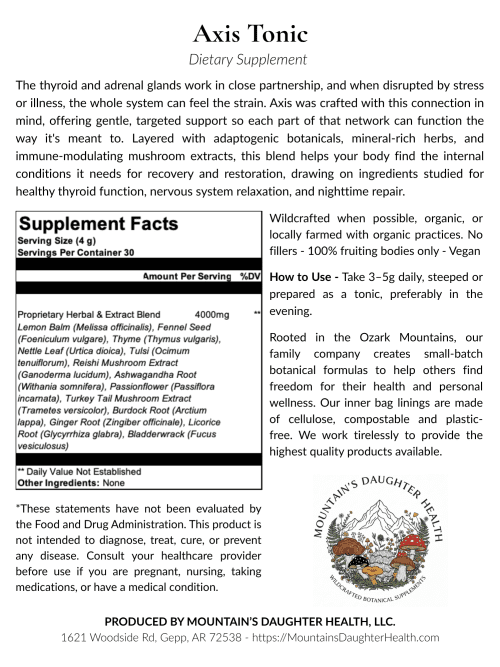
Holy basil, or tulsi, is Ocimum tenuiflorum (also called O. sanctum), a basil native to the Indian subcontinent. It is one of the most honored plants in Ayurveda and the Siddha tradition, where it is grown at home and taken daily as a tea.
What the Evidence Shows
The main summary of human research is a systematic review of 24 studies in which people took tulsi and a clinical outcome was measured. The studies covered blood sugar and metabolic health, heart health, immunity, and mood and memory. All of them reported favorable results, and none reported significant adverse events (Jamshidi & Cohen, 2017).
That consistency is encouraging, but it needs a careful reading. The reviewers noted that dose, form, and the people studied varied from study to study, and they called for research to clarify which dose and form work, and for whom. When every study in a young field points the same way, small study size and publication bias are worth keeping in mind.
Safety
Tulsi tea is a traditional daily drink. Because several studies looked at tulsi for lowering blood sugar, talk with your provider before using it as a remedy if you take medicine for diabetes. If you are pregnant or breastfeeding, ask first as well, since the research has not focused on those times.
In Short
Holy basil has a small, uniformly positive human literature that is promising but not yet settled. In our blends it is a daily herb of steadiness in the tradition of adaptogens, not a treatment for any condition.
The research behind this entryReferences
Show sourcesHide sources
- Jamshidi, N., & Cohen, M. M. (2017). The clinical efficacy and safety of tulsi in humans: A systematic review of the literature. Evidence-Based Complementary and Alternative Medicine, 2017, Article 9217567. https://doi.org/10.1155/2017/9217567